Mastering Digital Impasto: A Guide to Procreate Oil Paint Brushes
The transition from traditional media to digital art often feels like a trade-off. You gain the convenience of undo buttons and infinite layers, but you frequently lose the tactile satisfaction of physical paint. Many artists settle for flat, sterile digital results because they haven’t found the right tools to replicate the viscosity and texture of real oils. This is where a high-quality set of Procreate Oil Paint Brushes becomes essential. It is not just about having a tool that looks like a brush; it is about finding a digital instrument that behaves like one.
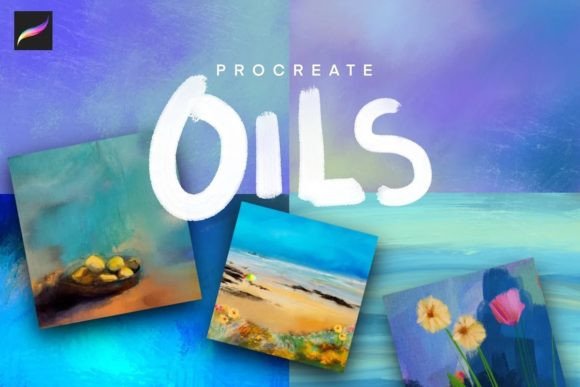
A highly realistic, sumptuous, and rich set of oil paint brushes for Procreate can bridge this gap. These tools are designed for every stage of the painting process, from blocking in color to applying heavy impasto, delicate glazes, and soft scumbles. However, simply downloading a pack is not enough. To truly elevate your work, particularly if you aim for bold impressionist abstract works, you must understand how to use these unique tools effectively and avoid common pitfalls that hinder digital painters.
The Mistake of Uniformity in Digital Textures
One of the most frequent errors beginners make when using digital brushes is expecting perfect consistency. In traditional oil painting, no two strokes are exactly alike due to variations in pressure, paint load, and canvas tooth. When artists use standard digital brushes that lack subtle colour dynamics, their work can appear artificial and repetitive. This uniformity kills the organic feel that defines impressionist and abstract styles.
To avoid this, look for brushes that utilize advanced engine settings to create a slightly non-uniform and natural feel. The best Procreate Oil Paint Brushes introduce minute variations in opacity and hue with each stroke. This mimics the way real pigment interacts with light and surface. If your digital painting looks too clean or "plastic," check if your brush set includes these dynamic features. Using brushes that offer unique characteristics for each stage—such as specific bristle brushes for roughing out shapes and smear tools for blending—ensures that your artwork retains a handcrafted aesthetic.
Overlooking the Stages of Painting
Another common misunderstanding is treating all brushes as interchangeable. Many hobbyists and even some professionals rely on a single "all-purpose" brush for the entire piece. This approach limits expressive potential and often leads to muddy colors or lost details. A comprehensive brush set should provide distinct tools for specific phases of creation.
- Blocking In: Use broad, flat brushes to establish composition and major color masses without worrying about detail.
- Bristle and Texture: Switch to textured bristle brushes to break up flat areas and add visual interest.
- Impasto: Utilize thick, high-build brushes to simulate raised paint surfaces, adding depth and shadow.
- Glaze and Scumble: Apply transparent layers to adjust tone and temperature without obscuring underlying details.
By matching the tool to the task, you maintain control over the painting’s evolution. For instance, trying to create a subtle glaze with a heavy impasto brush will result in frustration and poor coverage. Conversely, using a fine detail brush for blocking in colors is inefficient and can make the initial stages feel tedious. Understanding the purpose of each unique brush in your set allows for a more fluid and intuitive workflow.
Neglecting Surface Texture Integration
Digital canvases are inherently smooth. While this is beneficial for line art, it works against the goal of creating realistic oil paintings. A significant oversight among digital artists is failing to integrate canvas texture into their final output. Without this step, even the most beautifully rendered brushstrokes can look like they are floating in a void rather than sitting on a physical surface.
To achieve a true oil on canvas finish, you should overlay high-resolution canvas textures onto your artwork. Many premium brush sets include five or more high-resolution canvas textures specifically designed for this purpose. These overlays interact with your brushstrokes, breaking up digital perfection and adding a layer of authenticity. When evaluating a brush pack, check if these textures are included and ensure they are high enough resolution to remain crisp even on large displays or prints. Applying these textures as a final adjustment layer can transform a good digital painting into a convincing simulation of traditional media.
Choosing Quantity Over Quality
In the quest for the perfect toolkit, many creators fall into the trap of downloading massive libraries containing hundreds of brushes. This often leads to "choice paralysis," where the artist spends more time testing brushes than actually painting. Moreover, large packs frequently contain redundant tools that offer negligible differences in performance.
A better approach is to invest in a curated set where no repetitive brushes exist. Each tool should be highly unique, serving a distinct function in your workflow. A smaller, well-designed collection of Procreate Oil Paint Brushes allows you to master each tool’s nuances. Focus on sets that emphasize quality and specificity. Look for reviews or demonstrations that highlight the unique behavior of each brush, such as how a specific smear tool blends colors versus how a scumble brush lifts them. This targeted selection process saves time and enhances your technical proficiency.
Ignoring Color Dynamics and Blending
Finally, many users overlook the importance of color dynamics within the brush engine. Standard brushes pick up the exact foreground color, leading to flat, monotonous strokes. High-end oil paint simulations incorporate subtle shifts in hue and saturation, mimicking the way real paint picks up traces of previous colors on the palette or canvas.
When using these advanced brushes, experiment with pressure sensitivity and tilt settings. Adjusting these parameters can reveal hidden capabilities, such as wider strokes when tilting the stylus or varied opacity based on pressure. This level of control is crucial for creating bold impressionist abstract works, where the energy of the stroke is as important as the color itself. Take time to test each brush on a blank canvas to understand its specific response to your hand movements. This practice builds muscle memory and ensures that when you begin a serious piece, your tools feel like an extension of your intent.
By avoiding these common mistakes and leveraging the full potential of a specialized brush set, you can create digital art that rivals traditional mediums in richness and depth. Whether you are a freelancer looking to expand your service offerings or a hobbyist seeking deeper creative satisfaction, the right tools make all the difference. Choose wisely, practice intentionally, and let the unique qualities of each brush guide your artistic journey.